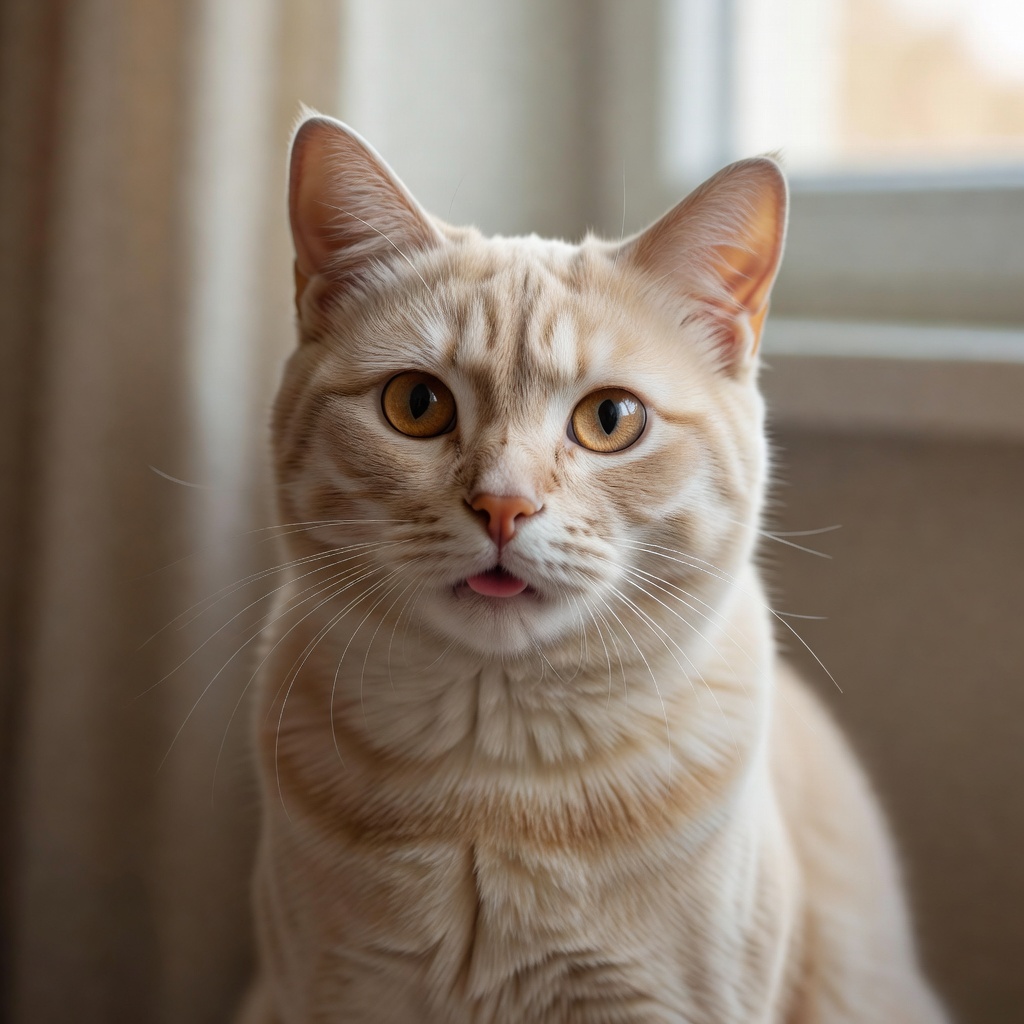
Cat Body Language Decoded: Ears, Tail, Eyes, Whiskers & Overstimulation Signals – Your Mini Field Guide
Picture this: your cat freezes mid-stride, ears pivoting like tiny radar dishes, tail tip flickering like a faulty neon sign. Is it playtime invitation or a warning to back off? In the subtle world of cat body language, these fleeting signals are your pet's native tongue—a cryptic code evolved from their dual life as predator and prey.
Cats descend from solitary wild hunters who couldn't afford noisy chatter or bold displays. Overt signals might alert dinner (or danger), so feline communication relies on nuance: a whisker twitch here, an ear flick there. Decoding it deepens your bond, prevents mishaps, and turns you into that intuitive owner your cat craves. This mini field guide breaks it down, part by part.
Understanding Cat Ears: The Emotional Barometer
Understanding cat ears starts with their position. Forward and upright? Your cat's engaged, curious—ears perked toward a bird outside or your crinkling treat bag. It's the feline equivalent of wide-eyed wonder.
Swiveling or flattening sideways signals irritation or defensiveness, like when a stranger invades their space. Full backward flatten against the head? That's high alert: fear, anger, or readiness to strike. Watch the asymmetry too—one ear back, one forward often means split attention, torn between flee and fight.
- Forward: Interest and focus.
- Sideways: Annoyance brewing.
- Back and flat: Stay away—now.
Cat Tail Meaning: The Mood Swing Indicator
No part screams cat tail meaning louder than the tail itself—a banner of emotion, whipping from delight to disdain. High and straight with a slight hook at the tip? Pure greeting joy, like "Welcome home, human!"
Slow, lazy swishes mean contemplation—your cat's plotting the next pounce. But rapid thrashing? Frustration or overstimulation ahead. Tucked under the body signals fear; puffed and bushed, it's terror mode, making them look twice as big to foes.
Tail Twitches: Subtle vs. Intense
That tiny tip quiver during pets? Contentment. Escalating to full flicks? Time to pause—your hand's become the enemy.
Eyes and the Cat Slow Blink: Trust in a Glance
Cat eyes are windows to the soul, dilating with excitement or narrowing in threat. Wide pupils scream arousal—hunt mode or play frenzy. Slitted? Relaxed or sizing you up.
Enter the cat slow blink: half-closed eyes in languid pulses. It's a kitty kiss, signaling "I trust you completely." Reciprocate, and watch vulnerability bloom. Direct stare? Challenge accepted—avert yours to de-escalate.
Whiskers and Posture: Sensory Scouts
Whiskers aren't just cute—they're tactile GPS. Forward and spread: exploration time. Pulled back tight: caution or discomfort. Vibrissae fanning wide measure doorways or prey distance with eerie precision.
Posture ties it together. Arched back, fur piloerected? Aggression or fear. Belly up, loose? Rare trust invitation (proceed gently). Crouched low, wriggling? Ambush prep—pure predatory poetry.
Cat Overstimulation Signals: When Enough is Enough
Cat overstimulation signals sneak up fast, blending the above: tail thrash plus ear flatten, dilated pupils, skin rippling under pets. It's the bite or swat prelude—your cat's overwhelmed sensory circuits screaming halt.
Recall our recent catfishing wand toy deep-dive? Those high-energy sessions amplify risks. Spot the signs early: pause, retreat. Build tolerance with structured play in your daily routine. For pain mimicry (grimace over mere grump), check our feline grimace scale.
"Pets are love languages," but reading the replies keeps the conversation flowing smoothly.
Your Field Guide in Action
Next time your cat's orchestra plays—ears forward, tail question-marked, slow-blinking your way—join the symphony. This cat body language fluency isn't just smarts; it's empathy etched in fur and flickers. Observe without agenda, respond with space or snuggles, and witness trust unfold. Your cat's been talking all along—you're just fluent now.