Feline Sensory Sensitivity: Beat Whisker Fatigue with Wide Bowls, Quiet Spaces & Cozy Beds
Unlocking the World of Feline Sensory Sensitivity
Picture this: your elegant tabby pauses at the food bowl, one paw hovering uncertainly before delicately fishing out a kibble. Is it pickiness, or something deeper? Cats navigate life through a finely tuned sensory array, a legacy of their dual role as stealthy predators and wary prey. Their nervous systems hum with heightened sensitivity to touch, sound, scent, and motion, making feline sensory sensitivity a key factor in their daily comfort.
In our bustling homes, these subtle needs can go unnoticed, leading to subtle stresses like whisker fatigue or creeping cat anxiety. By tuning into these signals, you can craft a sanctuary that lets your cat thrive. This guide explores practical ways to enrich their world with thoughtful cat environment enrichment, from the right cat bowls to serene hideaways.
Whisker Fatigue: The Hidden Discomfort in Everyday Meals
Whiskers—those mystical vibrissae—are not mere facial flair. Embedded with nerve endings and blood vessels, they act as tactile radar, detecting air currents, nearby objects, and textures with exquisite precision. When a cat's whiskers repeatedly brush the sides of a deep or narrow bowl, it triggers whisker fatigue: an overload of sensory input that feels like constant tickling or pressure.
Spotting the Signs and Making the Switch
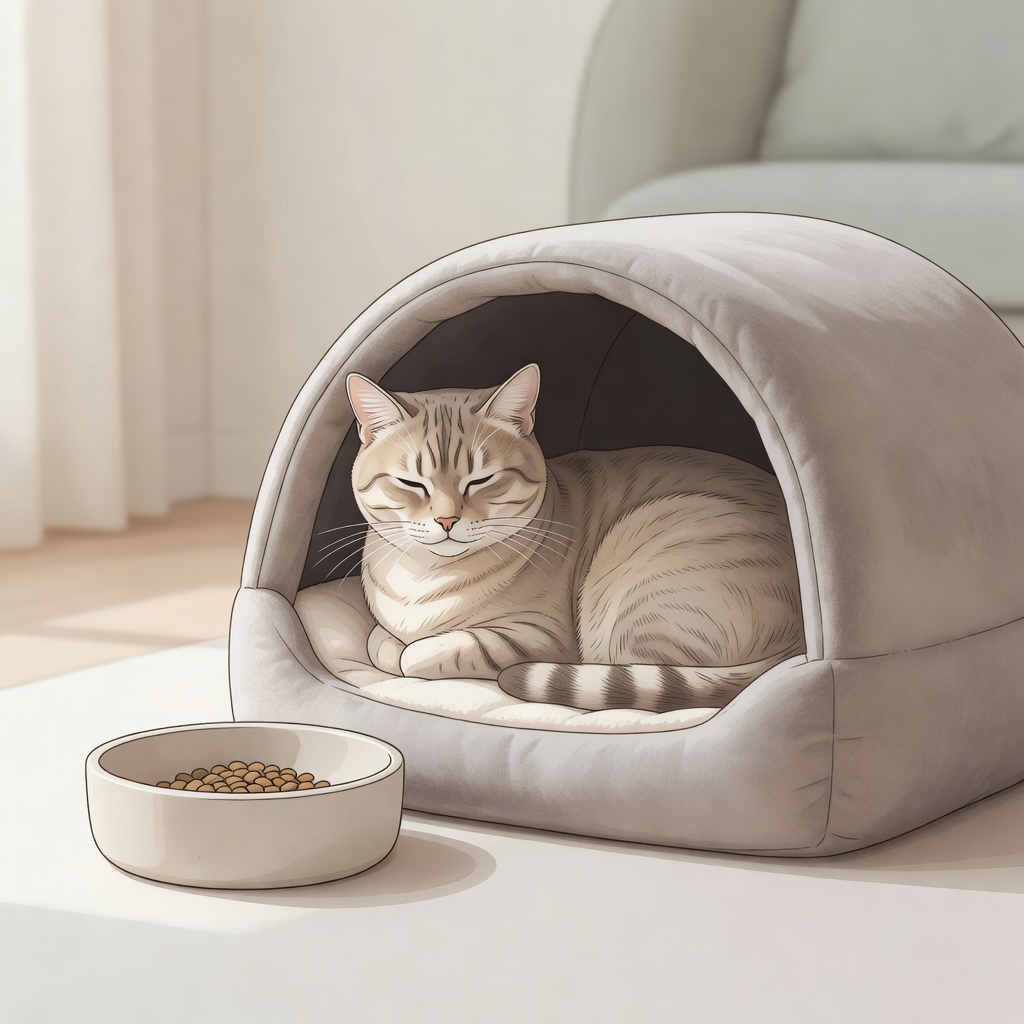
Watch for pawing food onto the floor, mustache twitching, or meal hesitation—these are cries for relief. The fix? Opt for wide, shallow cat bowls that keep whiskers free. Ceramic, glass, or stainless steel options with low sides allow effortless dining.
Ease the transition by placing the new bowl next to the old for a few days, gradually shifting food to encourage adoption. Many guardians report their cats eating with renewed gusto, proving small changes yield big rewards.
Quiet Spaces: Essential Retreats for Overstimulated Cats
Cats process a symphony of household noises, scents, and movements far more intensely than we do. The hum of a vacuum or the whirl of a dishwasher can spike cat anxiety, prompting a need for quiet, low-stimulation zones. These "micro-retreats" offer a buffer, allowing your cat to recharge without isolation.
Ideal Hideaways for Serenity
- Covered cat beds: Enveloping designs mimic natural dens, muffling sound and providing security.
- Hideaway caves or tunnels in quiet corners.
- Elevated perches away from foot traffic, offering oversight without overwhelm.
Position these in dimly lit, low-traffic areas to maximize peace, transforming potential stress into soothing routine.
The Science of Comfort: Predictability and Control
Behind these tweaks lies solid insight into feline wellbeing. Cats flourish in environments of predictability, where cumulative stress—from flickering lights to erratic schedules—doesn't build unchecked. Offering "choice and control," like multiple resting spots or feeding stations, empowers them, dialing down cortisol and fostering calm.
Cat environment enrichment isn't about gadgets; it's about harmony. A stable setup respects their sensory world, preventing the slow simmer of discomfort that can erode health over time.
Practical Home Setup for Sensory Bliss
Start with placement: site bowls and beds away from loud appliances, ensuring at least two escape routes from resting spots to avoid ambush anxiety. Choose soft, washable fabrics for covered cat beds and non-slip bases for cat bowls—non-toxic materials like food-grade stainless or BPA-free ceramic keep things safe.
- Layer textures: plush for sleeping, smooth for eating.
- Incorporate vertical space with shelves for panoramic views.
- Rotate toys sparingly to maintain novelty without overload.
A Gentle Veterinary Reminder
While these adjustments soothe everyday feline sensory sensitivity, sudden shifts like excessive hiding or appetite loss warrant a vet visit. Rule out medical issues first—your cat's subtle cues deserve professional insight when they intensify.
What to Look for in Cat Bowls and Beds
For cat bowls: Seek widths at least 1.5 times your cat's head, shallow depths under 2 inches, and weighted bases to prevent spills. For covered cat beds: Prioritize breathable, machine-washable covers, supportive interiors, and openings wide enough for easy access yet cozy enough for burrowing.
Durable construction ensures longevity, letting you invest in lasting comfort without compromise.
Embrace a Calmer Cat World
Fine-tuning your home for feline sensory sensitivity isn't overhaul—it's gentle attunement. Your cat, once tentative at the bowl or darting for cover, may soon lounge with luxurious ease. Dive deeper into our Resource Library for more on cat enrichment, and stay tuned for curated comfort picks coming soon.
Here's to whiskers that whisper freely and spaces that sigh with peace.