Dry Cat Food Storage Guide: Original Bag vs Container, Shelf Life After Opening & Rancid Signs
Picture this: Your cat turns up her nose at her favorite kibble, batting it across the floor with disdain. Is she just being picky, or has that bag of dry cat food storage hero gone quietly rancid in the pantry? For health-conscious cat parents, proper dry cat food storage isn't mere convenience—it's a frontline defense in the battle for your feline's nutrition and safety. Freshness matters because spoiled kibble can harbor toxins, lose vital nutrients, and even sicken your pet. This guide unpacks the biology, busts myths, and arms you with practical steps to keep cat food freshness at its peak.
The Science of Cat Food Spoilage: Oxidation, Mold, and Hidden Threats
Dry cat food seems invincible—crunchy nuggets engineered for longevity—but it's vulnerable to invisible foes. Oxidation tops the list: fats in kibble react with oxygen, turning rancid and producing harmful free radicals. These not only degrade flavor but can inflame your cat's gut or worse. For deeper insight into preservatives fighting this battle, check our cat food preservatives explained piece.
Then there's mold and aflatoxins, potent carcinogens from grains gone bad in humid spots. Storage mites thrive similarly, infesting bags in moist environments and triggering allergies. Understanding these risks transforms storage from chore to safeguard.
Original Bag vs Container: Winning the Dry Cat Food Storage Debate
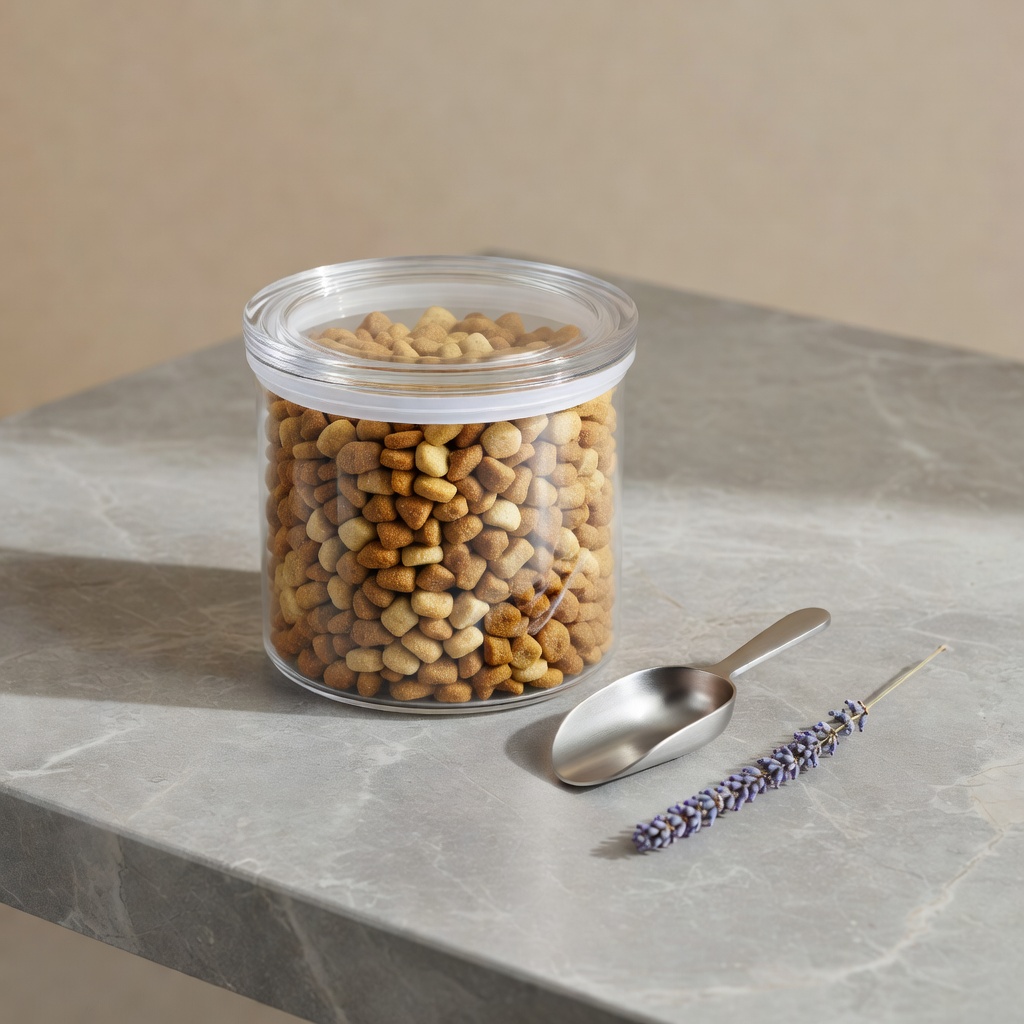
Forget the allure of trendy plastic tubs—your kibble's original bag is a marvel of food science. Multi-layered with oxygen barriers, UV blockers, and moisture seals, it's designed to preserve cat food freshness. Dumping it into a generic container exposes it to air and light, accelerating spoilage.
The Gold Standard: Bag-in-Bin Method
The smartest cat food original bag vs container strategy? Keep the bag intact inside a large, airtight bin. Roll down the top, secure with a clip or tie, and push air out. This hybrid preserves the bag's tech while adding pest-proof bulk storage. Bonus: The bag retains lot numbers and dates—vital for safety checks. Learn more in our reading labels guide.
- Pro tip: Choose bins taller than wide to minimize bag folding.
- Avoid clear plastic; opacity beats light exposure.
- Scoop from the bag's middle to rotate stock FIFO (first in, first out).
Temperature and Environment: The Unsung Heroes of Cat Food Storage
Heat is spoilage's best friend. Keep dry cat food under 80°F (27°C)—think kitchen cabinet, not garage or laundry room, where fluctuations breed condensation and mites. Aim for cool, dry, dark nooks. Humidity above 60% invites trouble, so silica packs in the bin can help wick excess.
Rhetorical nudge: Would you store cookies in a sauna? Your cat's kibble deserves better.
How Long is Cat Food Good After Opening? Decoding Shelf Life
The 'best by' date governs unopened bags, signaling peak quality. But how long is cat food good after opening? Industry consensus: 2-3 months in ideal conditions. Factors like fat content (higher means faster rancidity) and portion size play in—buy smaller bags if your cat eats slowly.
Rule of thumb: If it won't finish in 90 days, split and freeze extras.
Refrigeration and Freezing: When to Chill and When to Skip
Refrigeration? Hard pass. Cold air condenses moisture on kibble, fostering mold. Freezing works for bulk buys: Portion into airtight bags, flatten for space, and thaw fully at room temp before serving. Refreeze only once, and use within months post-thaw to maintain cat food freshness.
- Freeze unopened or clip-sealed portions.
- Thaw in original bag inside bin.
- Never microwave—uneven heat destroys nutrients.
Spotting Rancid Cat Food Signs: Trust Your Senses and Your Cat
Cats are connoisseurs; refusal often signals trouble. But inspect first:
- Smell: Rancid cat food signs include a sharp, paint-thinner or overly fishy odor—far from nutty or meaty fresh scent.
- Texture: Greasy sheen, clumping, or dull crumbs scream spoilage.
- Look: Discoloration, webbing (mites), or powdery mold.
- Behavior: Vomiting, diarrhea, or disinterest post-meal? Toss it.
When in doubt, err safe—your cat's health trumps thrift.
Master Dry Cat Food Storage for a Healthier, Happier Cat
Armed with this blueprint, you'll sidestep spoilage pitfalls and deliver nutrient-packed meals every time. It's the quiet vigilance health-conscious parents practice: bag-in-bin, cool and dry, fresh within months. Your cat might not pen thank-yous, but that enthusiastic chomp at mealtime? Priceless reward. Store smart, love fiercely.