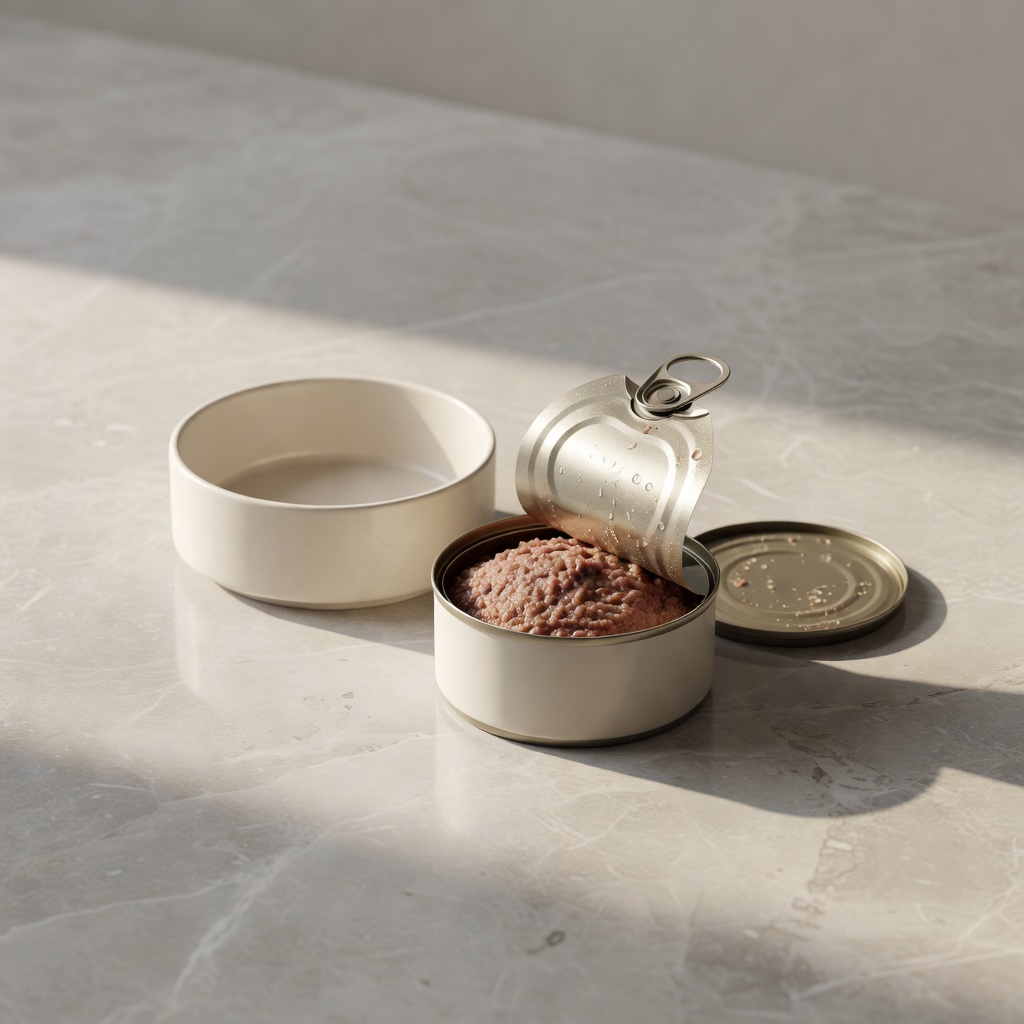
Wet Cat Food Safety: How Long Can Wet Cat Food Sit Out? Storage Tips & Spoilage Signs
Picture your sleek tabby circling the kitchen counter, eyes locked on that freshly opened can of wet cat food. The savory aroma fills the air, promising a feast. You dish out a portion, but the rest sits there, uncovered, as the day unfolds—vet appointments, work calls, endless zoomies. Hours later, temptation strikes: Can you still serve it? This is the heart of wet cat food safety, a question every devoted cat parent grapples with.
Wet cat food, with its high moisture content—often 75-85% water—creates an ideal environment for bacteria. Unlike dry kibble, which is shelf-stable thanks to low water activity, wet varieties are perishable once exposed to air. Understanding the science behind bacterial growth in pet food empowers you to keep your feline safe without unnecessary worry. Let's break it down, step by step, with evidence-based guidance drawn from food safety principles applied to pet nutrition.
The Science Behind Wet Cat Food Spoilage
Bacteria thrive in the "danger zone" between 40°F and 140°F (4°C to 60°C), where they multiply rapidly. In wet cat food, moisture accelerates this process. Pathogens like Salmonella or Listeria, though rare in commercial pet food due to manufacturing standards, can take hold if temperatures allow. Studies on perishable foods show bacteria can double every 20 minutes under optimal conditions, turning a safe serving risky in mere hours.
High moisture isn't the only culprit. Opened cans expose the food to oxygen, encouraging aerobic bacteria and yeasts. Room temperature—typically 68-72°F (20-22°C)—is prime real estate for this growth. The takeaway? Time is your ally in wet cat food safety, but only if managed wisely.
How Long Can Wet Cat Food Sit Out? The Two-Hour Rule
Adopt the USDA's Perishable Food Guideline
Food safety experts, including the USDA and FDA, recommend the "two-hour rule" for perishables: Don't leave them at room temperature longer than two hours. This applies directly to how long can wet cat food sit out. If the ambient temperature exceeds 90°F (32°C), shrink that window to one hour.
Why two hours? It's the point where bacterial counts often reach unsafe levels for sensitive populations—like kittens, seniors, or cats with compromised immunity. While pet food isn't held to human standards, the biology is identical. Serve promptly, and refrigerate leftovers immediately to stay on the safe side.
- Room temp (below 90°F): Max 2 hours.
- Hot weather (above 90°F): Max 1 hour.
- Already refrigerated portions: Warm to room temp in minutes before serving, not hours.
Storing Opened Cat Food Cans: Refrigeration Best Practices
From Can to Fridge in Minutes
For storing opened cat food cans, transfer contents to a clean, airtight container immediately. Leaving food in the original can invites metallic off-flavors and faster oxidation. Refrigerate at 40°F (4°C) or below, where bacterial growth slows dramatically.
Use within 3-5 days for peak quality and safety. Portion into daily servings using ice cube trays or small glass dishes—thaw only what you'll use. Label with dates to track freshness. Pro tip: Avoid the fridge door; opt for middle shelves for steady temps.
- Remove all food from the can.
- Seal in an airtight container.
- Chill promptly.
- Discard after 5 days max.
Spotting Cat Food Spoilage: Key Signs to Watch
Trust your senses over the clock alone. Cat food spoilage announces itself clearly:
- Sour or rancid smell: Fresh wet food smells meaty; spoiled reeks like decay.
- Color shifts: Graying, darkening, or unnatural hues signal trouble.
- Texture changes: Slimy, separated liquids, or excessive dryness.
- Mold or fizzing: Visible fuzz or bubbling means toss it.
If in doubt, throw it out. A cat's digestive system is resilient but not invincible—bacterial growth in pet food can lead to vomiting or worse.
Pro Tips for Everyday Wet Cat Food Safety
Minimize risks with habits like clean bowls (wash daily with hot soapy water), serving small fresh portions, and avoiding summer countertops. Compare to dry cat food storage, which lasts weeks uneaten thanks to dehydration. For a deeper dive, check our wet vs. dry cat food guide.
Safe Feeding Starts with Smart Storage
Wet cat food safety boils down to vigilance: two hours out, fridge fast, senses sharp. Your cat's purring gratitude—and robust health—is reward enough. Arm yourself with these facts, and mealtime becomes a worry-free ritual. After all, a well-fed cat is a happy home.