Cat Food Preservatives Explained: BHA, BHT, Ethoxyquin vs. Natural Tocopherols
Ever paused mid-aisle in the pet store, squinting at a bag of kibble, wondering what those cryptic acronyms like BHA and BHT really mean for your cat's dinner? You're not alone. As cat owners dive deeper into reading cat food labels, preservatives top the list of ingredients sparking curiosity—and sometimes concern. These unsung heroes keep fats from turning rancid, ensuring the food stays fresh and safe. But with synthetic options like BHA, BHT, and ethoxyquin facing scrutiny, and natural cat food preservatives like tocopherols gaining traction, how do you choose wisely?
In this guide, we'll unpack cat food preservatives with evidence-based clarity, no hype. We'll explore their roles, the science behind common worries, and why many feline families are shifting toward gentler alternatives. Let's demystify the list so you can shop with confidence.
Why Preservatives Are Essential in Cat Food
Picture this: a bag of cat food sitting on your shelf for weeks, its rich oils exposed to air, light, and heat. Without preservatives, those fats oxidize, breeding harmful free radicals and off-flavors that could sicken your cat. Preservatives act as antioxidants, stabilizing these vulnerable components to maintain nutritional integrity and safety.
Regulatory bodies like the FDA and AAFCO deem approved preservatives safe at specified levels, rigorously tested for efficacy and toxicity. They prevent not just spoilage but potential bacterial growth, safeguarding obligate carnivores who thrive on high-fat diets. Yet, as awareness grows, cat parents question: Do we need chemicals when nature offers options?
Synthetic Cat Food Preservatives: BHA, BHT, and Ethoxyquin Under the Microscope
BHA and BHT in Cat Food
Butylated hydroxyanisole (BHA) and butylated hydroxytoluene (BHT)—often lumped as BHA BHT cat food staples—are synthetic antioxidants added to many commercial formulas. They excel at halting oxidation in rendered fats, with BHA particularly potent against peroxides.
Approved for pet food at up to 0.02% of the formula, these have decades of use. However, lab studies on rodents at massive doses link them to potential tumor promotion or endocrine effects, fueling debate. No direct cat-specific risks are confirmed at pet food levels, but sensitivity varies—some cats show no issues, while others' owners report allergies or digestive upset.
Ethoxyquin in Pet Food
Ethoxyquin in pet food, especially those with fish meal, serves double duty: preserving and preventing pellagra in poultry byproducts. Once hailed as a miracle worker, it's now restricted—banned in human foods in many places due to residue concerns and animal study hints of DNA damage.
The FDA caps it at 150 ppm, but transparency lags; it's sometimes hidden under "preservatives" on labels. While effective, its petrochemical origins and fishy aftertaste turn off discerning owners seeking cleaner profiles.
The Rise of Natural Cat Food Preservatives: Tocopherols and Rosemary
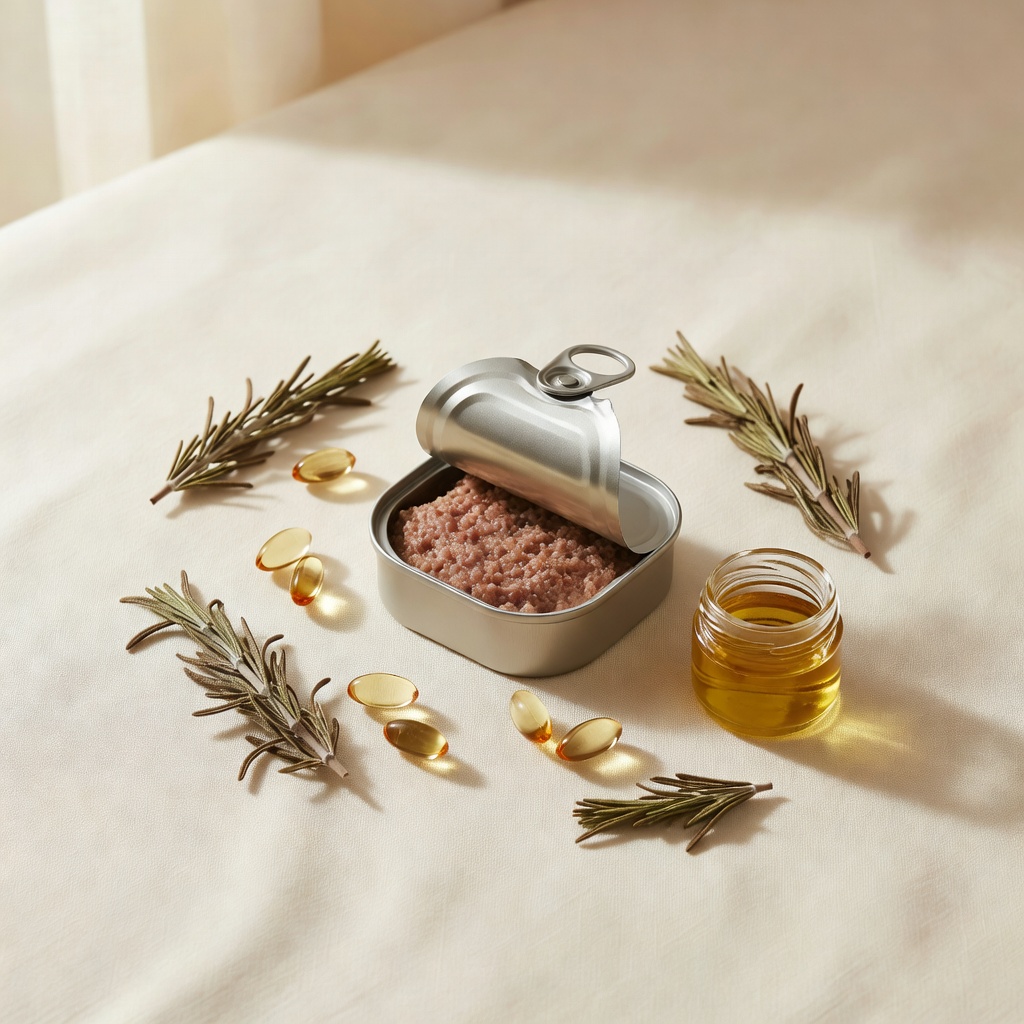
Enter tocopherols cat food fans' favorite: mixed tocopherols, forms of vitamin E derived from vegetable oils. These powerhouse antioxidants mimic the body's own defenses, binding free radicals without synthetic baggage. Often listed as "mixed tocopherols (preservative)," they shine in premium kibbles and wet foods, offering 6-12 months of stability.
- Effectiveness: Comparable to synthetics in controlled tests, though slightly less heat-stable.
- Safety: Naturally occurring, GRAS by FDA, with bonus skin and immune perks for cats.
- Drawbacks: Costlier, shorter shelf life in extreme conditions.
Rosemary extract joins the fray, packed with carnosic acid for broad-spectrum protection. Paired with tocopherols or citric acid, it creates synergistic blends in natural formulas. These natural cat food preservatives appeal to holistic-minded owners, backed by growing market demand—sales of natural pet foods surged 15% last year.
Mastering Reading Cat Food Labels for Preservatives
Labels list preservatives near the end, but savvy scanning reveals truths. Scan for "BHA," "BHT," or "ethoxyquin"—often first in multi-preservative lists due to alphabetical order, not quantity. Favor "tocopherols," "vitamin E," or "rosemary extract." For full mastery, check our guide on reading cat food labels.
Look beyond the preservative: Freshness dating, packaging, and storage matter as much as the ingredient itself.
Choosing the Best for Your Cat's Bowl
Cat food preservatives aren't villains or saviors—they're tools. Synthetics like BHA, BHT, and ethoxyquin ensure affordability and longevity, passing safety hurdles. Yet, with natural tocopherols proving viable, why not prioritize them? Consult your vet for breed-specific needs, rotate foods thoughtfully, and trust your nose: Fresh kibble smells nutty, not stale.
Your cat's discerning palate—and wagging tail—will thank you. In the end, informed choices keep the purring perpetual.